Women’s health has come a long way in recent years, yet myths and misinformation continue to circulate online, on social media, and even through well-meaning advice from friends and family. In 2026, women have more access than ever to research-backed medical care, innovative treatments, and personalized wellness solutions. However, outdated beliefs still influence decisions about reproductive health, fitness, beauty, immunity, and overall well-being.
This blog explores 16 common myths about women’s health and replaces them with up-to-date, evidence-informed perspectives. By understanding the facts, women can make empowered choices that support long-term health and vitality.
Myth #1: You Only Need a Gynecologist When Something Is Wrong
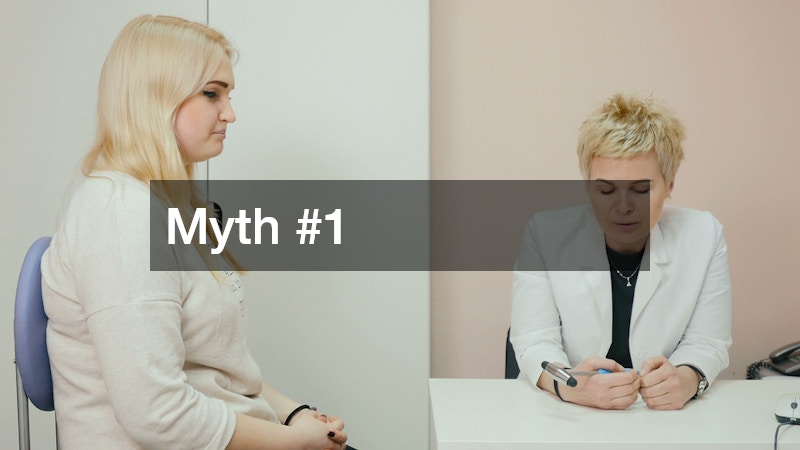
One of the most persistent myths in women’s healthcare is that visits to a gynecologist are only necessary when there’s a problem. In reality, preventative care is one of the most powerful tools for protecting long-term health.
Routine exams help detect early signs of cervical changes, hormonal imbalances, reproductive health conditions, and breast abnormalities before symptoms become serious. Preventative screenings and discussions about menstrual health, fertility goals, contraception, and menopause are just as important as addressing acute concerns.
Establishing a long-term relationship with a trusted OBGYN partner allows for continuity of care. When your provider understands your medical history, lifestyle, and goals, they can offer more personalized guidance. Preventative appointments aren’t about assuming something is wrong—they’re about staying ahead of potential issues.
In 2026, the focus in women’s healthcare is proactive, not reactive. Annual visits, open conversations, and regular screenings remain essential components of whole-body wellness.
Myth #2: Women Should Avoid Strength Training to Prevent Bulking
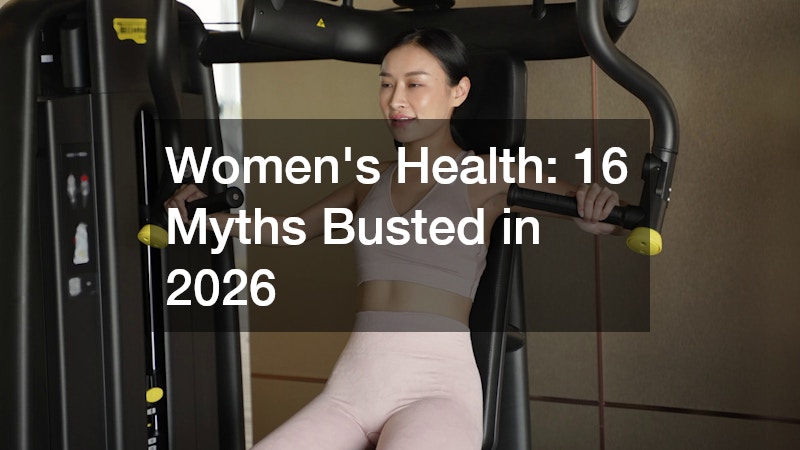
For decades, women were told to stick to light cardio and avoid heavy weights for fear of becoming “bulky.” This myth has discouraged many from benefiting from strength training.
Biologically, women do not produce the same levels of testosterone as men, making significant muscle hypertrophy much harder to achieve unintentionally. Instead of bulking, strength training improves bone density, metabolism, joint stability, and body composition. It is especially important for preventing osteoporosis as women age.
In 2026, fitness centers use technology like a gym member management system to track individualized programs and progress. These tools help women tailor strength routines to their specific goals—whether that’s toning, endurance, or athletic performance.
Rather than avoiding weights, women are encouraged to embrace resistance training as a cornerstone of lifelong health.
Myth #3: Detox Teas and Cleanses Are Essential for Health
The wellness industry has long promoted detox teas, juice cleanses, and restrictive diets as quick fixes for improved health. The truth is that the human body already has a highly efficient detoxification system: the liver, kidneys, lungs, and digestive tract.
There is little scientific evidence that over-the-counter detox products eliminate toxins more effectively than your body can on its own. Some extreme cleanses can even lead to dehydration, nutrient deficiencies, or digestive issues.
In 2026, many women are turning to evidence-based medicine rather than influencer trends. Instead of searching for the best detox doctors to remove vague “toxins,” health professionals recommend balanced nutrition, hydration, fiber intake, adequate sleep, and limiting alcohol consumption.
True detoxification is not about dramatic cleanses—it’s about supporting your body’s natural systems consistently over time.
Myth #4: Weight Loss Is Just About Willpower
Another harmful myth suggests that weight management is simply a matter of discipline. In reality, body weight is influenced by complex interactions among genetics, hormones, metabolism, stress levels, sleep quality, and environmental factors.
Women may experience unique challenges related to thyroid conditions, polycystic ovary syndrome (PCOS), pregnancy, perimenopause, and menopause. These hormonal shifts can affect how the body stores fat and regulates appetite.
Modern approaches to weight loss in 2026 are personalized and medically informed. Instead of extreme calorie restriction, providers focus on metabolic health, strength training, balanced nutrition, and behavioral support. In some cases, prescription medications or medical interventions may be appropriate under supervision.
Compassion and science—not shame—are now guiding sustainable weight management strategies.
Myth #5: Cosmetic Procedures Are Always Unsafe or Superficial
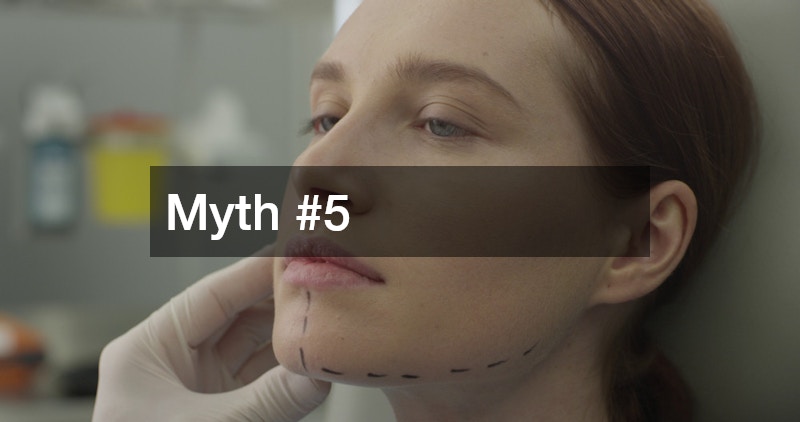
Cosmetic and reconstructive procedures are often dismissed as purely aesthetic or risky. While any medical treatment carries potential risks, advancements in surgical and non-surgical techniques have significantly improved safety and outcomes.
Procedures such as breast reconstruction after cancer, pelvic floor repair, or scar revision can restore confidence and physical comfort. Even minor tools used in medical and cosmetic settings—like drape tape for securing sterile coverings—reflect improvements in safety protocols and patient care standards.
The key is choosing board-certified professionals and having clear, realistic expectations. In 2026, cosmetic medicine is increasingly integrated with mental health and physical well-being, recognizing that appearance and confidence can meaningfully impact quality of life.
Myth #6: Hair Removal Is Only About Beauty
Hair removal is often framed as a purely cosmetic concern, but for some women it can also relate to medical conditions or personal comfort. Excess hair growth may be linked to hormonal imbalances such as PCOS.
Options for hair removal now range from traditional shaving and waxing to laser treatments and electrolysis. In 2026, newer technologies focus on minimizing skin irritation and long-term damage, especially for women with sensitive skin or darker complexions who were previously underserved by older laser systems.
The myth isn’t just that hair removal is necessary—it’s that it defines hygiene or femininity. The truth is that removing body hair is a personal choice, not a health requirement. Women can choose what feels right for their bodies without pressure or stigma.
Myth #7: IV Therapy Prevents Every Illness
Intravenous vitamin drips have gained popularity in recent years, often marketed as quick immunity boosters. Some wellness centers promote iv therapy for colds as a guaranteed solution for faster recovery.
While IV fluids can be beneficial in cases of dehydration or certain medical conditions, there is limited evidence that vitamin infusions prevent common viral infections in otherwise healthy individuals. Most colds are self-limiting and resolve with rest, hydration, and time.
In 2026, healthcare providers emphasize balanced nutrition, vaccination where appropriate, stress management, and adequate sleep as more reliable immunity strategies. IV therapy may have a place in specific medical contexts—but it is not a magic shield against everyday illness.
Myth #8: Hair Breakage Is Just a Cosmetic Issue
Many women experience brittle strands or thinning hair and assume it’s purely cosmetic. However, hair breakage can sometimes signal nutritional deficiencies, thyroid dysfunction, stress overload, or hormonal changes.
Iron deficiency, low protein intake, and certain autoimmune conditions may all contribute to weakened hair. Overprocessing, heat styling, and tight hairstyles can compound the issue.
Rather than masking symptoms with products alone, 2026 health guidance encourages investigating underlying causes when hair changes are sudden or severe. Addressing root health, stress management, and balanced nutrition often improves hair quality alongside overall wellness.
Myth #9: Special Fabrics Can Cure Skin Conditions
The market is filled with products claiming to improve sleep and eliminate skin problems through specialized materials. Items like zinc oxide bed sheets are often advertised as solutions for acne or eczema.
While zinc does have anti-inflammatory properties and is commonly used in topical creams, there is limited clinical evidence that fabric-infused zinc alone can treat chronic skin conditions. Skin health is influenced by genetics, hormones, stress, environment, and skincare routines.
In 2026, dermatologists encourage evidence-based treatment plans that may include topical medications, gentle cleansers, moisturizers, and lifestyle modifications. Specialty fabrics may offer comfort, but they are not standalone cures.
Myth #10: Oral Health Has Nothing to Do With the Rest of the Body
Oral health is often treated as separate from overall health, but research increasingly shows strong links between gum disease and systemic conditions such as heart disease, diabetes, and adverse pregnancy outcomes.
Regular visits to a dentist are not just about maintaining a bright smile—they are about preventing inflammation and infections that can affect the entire body. Hormonal fluctuations during pregnancy and menopause can also influence gum sensitivity and oral health.
In 2026, integrated healthcare models encourage collaboration between dental professionals and medical providers. Good oral hygiene, balanced nutrition, and routine cleanings contribute significantly to whole-body wellness.
Myth #11: Birth Control Causes Permanent Infertility
A common fear is that long-term use of hormonal contraception permanently damages fertility. In reality, most forms of birth control temporarily prevent ovulation but do not cause lasting infertility. After stopping the pill, patch, ring, or hormonal IUD, many women resume ovulation within weeks or months.
Delays in conception are usually related to age, underlying conditions, or natural cycle variability—not prior contraceptive use. In 2026, research continues to confirm that birth control is safe for most women when medically appropriate. Discussing concerns with a provider ensures you choose a method aligned with your future family planning goals.
Myth #12: Irregular Periods Are Always Normal
While occasional cycle changes can happen due to stress or travel, consistently irregular periods should not automatically be dismissed as “normal.” Persistent irregularity may signal conditions such as polycystic ovary syndrome, thyroid disorders, or perimenopause. Heavy bleeding, severe pain, or cycles shorter than 21 days or longer than 35 days also deserve medical evaluation.
In 2026, greater awareness around menstrual health has encouraged women to track cycles using digital apps and seek guidance earlier. Your menstrual cycle is often considered a vital sign, offering important insight into hormonal balance and overall reproductive health.
Myth #13: Women Don’t Need as Much Sleep as Men
Sleep needs are individual, but research shows women often require slightly more sleep than men due to hormonal fluctuations and multitasking cognitive demands. Chronic sleep deprivation can increase risks for mood disorders, heart disease, and metabolic challenges. Life stages such as pregnancy, postpartum recovery, and menopause may further disrupt rest.
In 2026, sleep health is recognized as foundational to immune strength, emotional regulation, and hormone balance. Prioritizing seven to nine hours of quality sleep—along with consistent sleep routines and stress management—is essential for long-term wellness, regardless of outdated beliefs minimizing women’s rest needs.
Myth #14: Heart Disease Is Mostly a Man’s Problem
Heart disease remains one of the leading causes of death among women, yet it is often under-recognized. Symptoms in women may differ from the classic chest pain presentation seen in men, sometimes appearing as fatigue, nausea, jaw pain, or shortness of breath. Because of this, warning signs may be overlooked.
In 2026, public health campaigns emphasize cardiovascular screenings, blood pressure monitoring, cholesterol management, and healthy lifestyle habits for women of all ages. Understanding risk factors—including pregnancy-related complications and menopause—empowers women to take proactive steps toward protecting their heart health early and consistently.
Myth #15: Mental Health Struggles Mean You’re Weak
Despite progress, stigma around anxiety, depression, and burnout still affects many women. Mental health conditions are medical issues influenced by biology, life stressors, trauma, and hormonal shifts—not signs of personal weakness. Women may face unique pressures related to caregiving, workplace expectations, and societal standards.
In 2026, integrated healthcare models increasingly screen for mental health during routine medical visits, recognizing its connection to physical wellness. Therapy, medication when appropriate, social support, and lifestyle changes can all play meaningful roles in recovery. Seeking help reflects strength and self-awareness, not failure.
Myth #16: Menopause Means the End of Vitality and Intimacy
Menopause is often portrayed as a decline in energy, attractiveness, and intimacy, but this narrative is outdated and misleading. While hormonal shifts can cause symptoms like hot flashes, sleep disruption, and vaginal dryness, many women report increased confidence and emotional clarity during this life stage.
Now, treatment options range from lifestyle adjustments and hormone therapy to pelvic floor therapy and non-hormonal medications. Open conversations with healthcare providers can address physical changes and support sexual wellness. Menopause is a natural biological transition—not a loss of vitality—and many women thrive physically, mentally, and socially afterward.

The Bigger Picture: Empowerment Through Evidence
Busting myths isn’t just about correcting misinformation—it’s about empowering women to make informed decisions rooted in science rather than fear or marketing hype. Women’s health is multifaceted, encompassing physical, mental, emotional, and social well-being.
The digital age has made information more accessible than ever, but it has also amplified misinformation. Learning to evaluate sources, consult licensed professionals, and ask critical questions is an essential skill in 2026.
True wellness is not found in quick fixes or viral trends. It’s built through preventative care, balanced lifestyle habits, supportive healthcare partnerships, and self-compassion. By challenging outdated myths and embracing evidence-based practices, women can confidently navigate their health journeys with clarity and strength.